
Posts by admin
Example #5: North American Startup Moving Their Team to the Netherlands
We worked with a Canadian tech startup whose Product Manager had moved to the Netherlands. The company wanted to relocate the development team to join him – but they didn’t want to deal with the cost and complexity of setting up a Dutch firm right away.
Blue Lynx stepped in as the Employer of Record. The team got legal contracts, social benefits, pension and smooth onboarding. The company managed to test their expansion in Europe without committing to a permanent office or a lengthy setup process.
Read MoreExample #3: Early-Stage Startup Hiring a Non-EU Developer
Startups don’t usually have the infrastructure to sponsor work permits or keep up with Dutch labour laws. For most Dutch work visas (including highly skilled migrant permits), the employer must be recognised as a sponsor by the Immigration and Naturalisation Service (IND) and meet ongoing compliance, salary and reporting requirements. That’s a big ask when you’re still building your product.
We, as the sponsor and an IND-certified business, can hire the developer via EoR and handle all legal employment obligations, seconding the developer to the tech startup. They now work full-time. Best of all, the startup didn’t have to worry about staying reputable, paying for HR or legal consultation, or spend numerous hours trying to wrap their head around Dutch labour law.
Read MoreWhy Choosing an EoR Might Save Your Business Thousands

Companies considering expanding their business in the Netherlands are likely weighing up whether to set up their own back office or use an Employer of Record (EoR). Cost is a key factor here – using an EoR means you pay a clear, predictable fee to have all your payroll, HR and compliance handled for you, while running your own back office gives you more direct control but comes with extra admin, legal and compliance responsibilities and often higher, less predictable costs. Both options are viable, but the right one depends on your company’s needs and growth strategy.
To help you make the right choice, we’ll explain what’s involved in managing your own Dutch entity compared to working with an Employer of Record, and how the costs stack up for each option.
What Is a Company Back Office?
An in-house back office is a team (or several teams) within your company, whose responsibility is to handle the administrative HR and payroll, finance, and operational processes. These teams are internal and under your direct supervision, usually situated on your premises.
While an in-house back office gives you more direct control, it also means you’re responsible for hiring local staff, managing legal compliance and covering a wide range of overhead costs.
What Is an Employer of Record?
An EoR – meaning an Employer of Record- is a third-party organisation that legally employs workers on behalf of another company. It enables businesses to hire internationally and locally without setting up foreign legal entities. EoR is a payroll service and an administrative employer that also handles and assumes responsibility for taxes, benefits, compliance and local labour laws.
Employer of Record Cost in the Netherlands – How it Works
The Employer of Record pricing is often more predictable and manageable than the expenses involved in setting up a local entity or your own back office. With an EoR, you pay a service fee – typically a percentage of payroll or, in our case, a flat monthly rate, which covers all administrative, legal and compliance functions.
This approach is especially cost-effective for companies planning to hire fewer than 15 employees in the Netherlands within the next couple of years, as it eliminates the need for local infrastructure and reduces your exposure to Dutch regulatory complexities.
When you add it all up, if the total price for our Employer of Record service is somehow the same as running an in-house back office (albeit that is near impossible in the Netherlands), the reduction in administrative burden and risk often makes the EoR model the preferred choice for new market entrants and scale-ups.
According to Deloitte, over 57% of companies expanding into new markets now choose EoR before committing to full entity setup.
Our service in the Netherlands is priced at a flat €599 per month per employee (excluding employment costs), covering:
- Local employment compliance
- Payroll processing
- Employer tax filings
- Mandatory employee benefits
- Employment contracts and onboarding
- Termination handling
- HR support
What Is the Entity Setup Cost in 2025?
Expanding into the Netherlands presents a compelling opportunity for global companies, but how you enter matters. Businesses looking to register in the Netherlands need to set aside a budget for formation costs – this goes beyond paying a registration fee at the Chamber of Commerce. Become familiar with the additional expenses you can encounter when setting up a local entity, to decide if this is the right path for your organisation.
Entity Formation Costs
- Registration fee at the Dutch Chamber of Commerce (KVK) – This is a one-off fee.
- Minimum share capital – Since 2012, the minimum share capital for a BV is just €0.01, but you may want to deposit more to cover initial expenses.
- Notary fees – You need a notary to draft and notarise the Articles of Association. These fees typically range from €500 to €1,500, depending on complexity.
- Legal and consulting fees – Depending on your exact requests, for legal advice and company formation services, you may need to add €1,000 to €5,000 or more to your entity formation budget.
- Office rental – Renting a physical office varies widely, but virtual office services for a registered address cost around €90 to €200 per month.
- HR support – Even if you don’t hire an internal HR team, a freelance HR professional can cost you anything between €120 and €160 per hour (excluding tax).
- Payroll specialist – For just 24 hours, hiring a payroll specialist can amount to approximately €2500 in the Netherlands.
Using an Employer of Record at €599/month per employee would come to a total cost of €7787 annually.
Not to mention, clients who choose to pay for a full year upfront will receive a discounted price of €499/month.
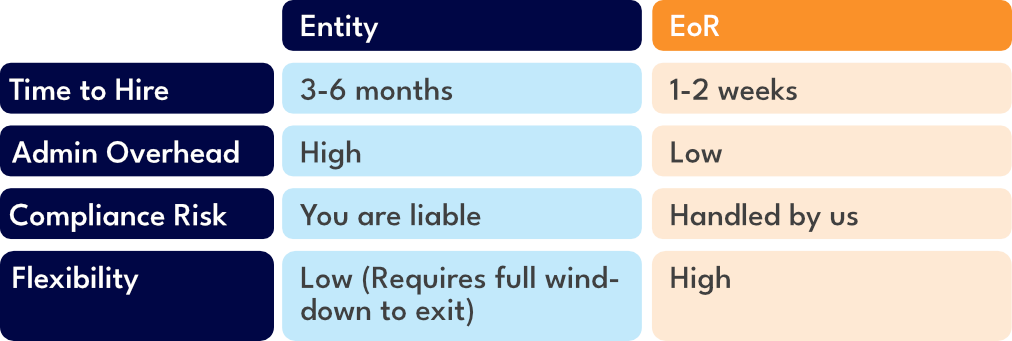
On the other hand, setting up a Dutch business entity, hiring HR/payroll staff, managing compliance, and leasing an office could easily exceed €70,000 annually, and we’re not even counting the time you spend on research and the possible liability risks that come with handling your own back office in a foreign country.
Operational Timelines
Opting to manage your own business setup and formation costs can prove not only expensive but also extremely time-consuming. The majority of government and institutional websites are written in Dutch, including the documentation you must fill out, so translating these resources often adds another layer of complexity and delays to the process.
The response times of these institutions can be unpredictable, which can further delay your registration process.
Compliance & Risk
The Netherlands is regarded as one of the strictest countries in Europe when it comes to regulatory compliance. Many new businesses are unfamiliar with the complex and layered structure of the Dutch administrative system and the obligations placed on employers.
As a result, when you choose to register a business independently, you assume full responsibility for any associated risks. By contrast, with us acting as your administrative employer, we ensure that all processes fully adhere to local Dutch law.
Partnering with a trusted EoR and recruitment agency like ours can help you devise the right strategy and make sure your expansion is handled in the most cost-effective and compliant way.
Choosing Blue Lynx EoR Services is Perfect for:
- Hiring your first employees without a long-term infrastructure
- Testing the market before full expansion
- Risk-free & fast setup
- Fully compliant contracts, benefits and tax handling
- Avoiding legal liabilities and local complexities
When Entity Setup Might Make Sense:
- Hiring 20+ employees with a long-term strategy
- Need a Dutch business license or VAT registration
- Operating a customer-facing physical office
- Accessing government subsidies or local tenders
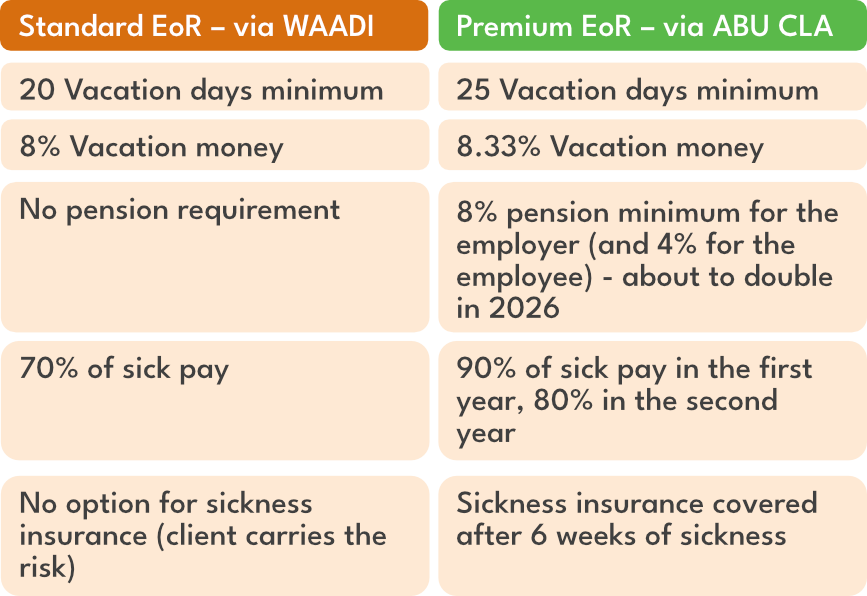
The Two EoR Models
Your expansion strategy should reflect your individual business goals – the best EoR companies will tailor their services to fit your needs, not the other way around. You might be a tech startup launching in Amsterdam or a Chinese logistics firm hiring in the Netherlands. Our consultants can help you select the best plan to fit your goals.
Additional EoR Services
Aside from these two models, your business can benefit from:
- Recruitment & Executive Search
- Relocation Services
- VISA & 30% Ruling Applications
- Legal & Accounting Referrals
- Equipment Delivery & IT Service
For some, a hybrid approach – starting with an Employer of Record and moving toward entity formation might be the ideal path. Take a look at our real-life use cases to find out the various ways you can benefit from this solution.
Our Thoughts
For companies expanding into the Netherlands in 2025, our Employer of Record offers a faster, more cost-efficient and lower-risk solution – especially during early-stage market entry. By outsourcing to an EoR payroll service, your business can focus on core activities, such as growth and talent management, while leaving the intricacies of Dutch employment law to local experts.
It’s unlikely you’d find an HR or payroll specialist or secure regular legal advisory services in the Netherlands for €599 per month, let alone less. In many ways, using an EoR eliminates the hassle of piecing together a team or dealing with local labour codes on your own.
Get in touch now to discover how our Employer of Record services can seamlessly handle your global workforce needs, so you can focus on what matters most – getting the job done.
Read More
Getting Started with AOW Pension (Algemene Ouderdomswet)

The first thing you are probably thinking is, “What does AOW mean?” The abbreviation is short for Algemene Ouderdomswet (The Dutch General Old Age Pensions Act). The government first instituted AOW pension in the Netherlands back in 1957, and since then, it has been one of the main retirement provisions paid to pensioners.
The public employees retirement system relies heavily on the combination of three pillars: AOW state pension paid for by current workers (the first pillar), workplace pensions funded by the investments of employers and employees (the second pillar) and private pensions (third pillar). In this page, we’ll take a closer look at AOW pension and how it works.
What Is AOW Pension?
AOW is the cornerstone of the public employees retirement system. Everyone who has either lived or worked in the Netherlands can receive a basic state pension as long as they have reached the Dutch retirement age.
For a long time, this was set at 65 years, however, recently it has been rising by a few months every other year. The current Dutch retirement age is 67, and you can use a pension age calculator to find out your own.
AOW is meant to give you a basic income when you retire, but it is rarely enough to cover all your expenses. Most people have extra income from other pension funds or savings on top of it, typically one of the two other pillars that make up the foundation of pension rights in the Netherlands.
The money for AOW comes from taxes paid by people currently working in the country, not from money you have personally saved up. However, this will change soon due to the new Future Pensions Act, which we cover further down the page. The AOW pension system is managed by the government’s Social Insurance Bank (SVB).
How Is AOW Calculated?
You build up your AOW over 52 years. For each year you live or work in the Netherlands, you earn 2% of the full pension. If you’ve lived in the Netherlands for all 52 years before your retirement age, you will get the full amount. You don’t need to have a job to build up your AOW – just living in the country counts.
How Much AOW Will You Receive?
 The amount of state pension depends on whether you are benefiting from an individual plan or a couple’s plan. Married or cohabiting couples each receive 50% of the national minimum wage, while single pensioners receive 70%. These numbers change twice a year, once in June and once in December.
AOW Monthly Amounts (as of Jan 2025)
- Monthly AOW payments for an individual pension plan: € 1.580,92 gross (Net: €1.497,77 if tax credit has been used, otherwise €1.214,77)
- Monthly AOW payment for a couple: Approx. € 1.081,50 / gross per person (Net: €1.024,62 if tax credit has been used, otherwise €831,12)
How Can I Apply for AOW?
Applying for AOW is simple. Four months before your AOW age, the SVB sends a letter to your address. It contains information on how to apply online. Make sure your data at the municipality (BRP) is correct. Your timely registration will help avoid any delays.
If you reside outside of the Netherlands, you will need to apply for AOW 6 months prior to your individual retirement age. Residents of EU or EEA countries can usually claim their state pension through the pension provider in their country of residence. Alternatively, if you live outside of these areas, you will need to contact SVB to get their advice on your case.
Eligibility for AOW
As long as you have lived or worked in the Netherlands, you will be insured under the AOW Dutch pension. This also applies to the self-employed, who contribute their share to the AOW each year via their annual tax returns.
Can I Still Get My Pension if I Live Abroad?
Depending on where they migrate, pensioners who live outside of the Netherlands may occasionally be entitled to collect their retirement payments. The SVB website has additional information on the subject. In the event that you move abroad, you might be eligible to transfer your Dutch pension. To learn about the possible repercussions, it is crucial to speak with your Dutch pension fund.
Can I Receive AOW if I Never Worked in the Netherlands?
Yes, you can receive AOW even if you never worked in the Netherlands. As long as you lived in the Netherlands and were registered, you built up AOW rights automatically for each year you resided in the country, regardless of whether you had paid employment.
What if I Have Gaps in My Insurance?
If there are years during which you were not insured, for instance, if you lived abroad (voor Nederlanders in het buitenland), your AOW pension will be reduced accordingly. You receive 2% less for each year you were not insured, so your AOW is proportional to the number of years you were covered.
Let’s work with some examples:
- Alex is British and became a resident of the Netherlands at age 21.
- Jordan moved to the Netherlands at age 18 as a student.
What is their pension breakdown?
For Alex:
- Even though she has worked full-time and paid taxes consistently since moving, her pension build-up only began from the moment she became a Dutch resident at 21.
- From age 15 to 21 (6 years), Alex did not build AOW rights. Therefore, she lost 6 × 2% = 12% of her total AOW entitlement.
- By age 67, assuming continuous residency from 21 onwards, she’d accumulate about 88% of the full AOW pension.
For Jordan:
- Jordan, who was a student and had residency from the age of 18 (but not working), automatically gains 2% per year of the AOW pension.
- He has full entitlement to this money. He also worked 5 years in the Netherlands: 6% + 10% = 16% AOW pension from the age of 67.
- Of course, this situation is not ideal, so many people voluntarily continue paying their contributions to AOW from abroad. This way, they maintain their pension rights. You can find out more about voluntary pension contributions on the SVB website.
How Do I Check My AOW?
You can view your AOW pension in your annual pension statement by logging into your account on the SVB website. You can also get in touch with them to receive your statement.
Can AOW Be Inherited?
AOW benefits are a personal entitlement, which is not transferable to heirs or surviving family members. However, a surviving partner can receive a higher amount of AOW (as an individual) or qualify for a separate survivor’s benefit (ANW), depending on the situation.
Can You Work While You Receive AOW?
Those who have recently reached the retirement age in the Netherlands can continue to work and still receive AOW. There is no income limit for working after your AOW age. Your employment income won’t reduce your pension either.
However, it might affect taxes and other benefits. In fact, those who decide to start a business over the age of 50 can benefit from some tax reliefs. Always check how this may impact your overall financial situation with your pension provider.
If you are seeking new career opportunities, partnering with a trusted recruitment agency like Blue Lynx can make all the difference. We can also help you find an employer who is compliant and will provide you with the appropriate benefits.
AOW and Taxes
Although your pension contributions are not taxed, any AOW payments you receive are treated as taxable income. The amount deducted depends on your total yearly income. However, older residents often benefit from lower tax rates. Filing a tax return ensures you pay the correct amount or receive a refund.
What Are the Upcoming Changes in the New Pension Act (nieuwe Pensioenwet)?
The Pension Act, which you may also find as the Future Pensions Act (Wet toekomst pensioenen), was voted in 2023, transforming the way employees (the self-employed included) and employers handle their pension contributions, introducing new laws.
There are three main reasons the Pensions Act was passed:
- Pensions will become more personalised and clearer, with each worker having an individual pension account, where their profits and losses are clearly displayed.
- The pension system will be more suitable for people who often change jobs. Instead of accumulating your retirement at the end of your career, employees will now be able to add to it at any point in their lives and careers.
- The New Pension Act makes sure there are reserves in everyone’s funds, and reductions of the sums are more limited. Before the new Pensions Act, investments were closely tied to economic status – if the economy was doing poorly, pensions were also reduced.
 The Future Pensions Act comes into effect officially on January 1, 2027, by which time employees, employers and pensioners will need to have updated their pension plans.
Additionally, these changes will result in several other benefits:
- The Dutch pension age will not rise as quickly.
- Conditions for early retirement will improve.
- Heavy physical labourers will receive better retirement conditions.
- Pensioners will be allowed to withdraw a lump sum from their retirement savings (to a maximum of 10% from their accumulated fund).
- Survivor’s pension (nabestaandenpensioen) from the deceased will be available before the start of the retirement date.
- Individuals will be able to view the specific amount of their pension accrual.
While many changes are taking place, the goal of the new Pensions Act remains the same – to share the contributions made to retirement funds. That way the financial risks are shared between the employer and the employee.
How Can You Prepare for the Changes?
To get ready for the new pension rules, employer groups, unions, and work councils should get together to create a clear plan for moving over to the new pension system. This plan will outline the steps and decisions everyone needs to make. Here’s what you should expect:
- Decide what the new pension scheme will look like for your company or group.
- Choose when you will switch to the new pension rules.
- Figure out if you will convert all the pension savings that employees and retirees have already built up into the new system.
- Discuss if and how you will compensate employees who might lose out because of the changes.
- Decide whether you need to set aside extra money to cover any unexpected problems during the switch.
This can ensure a smooth and fair transition to the new pension scheme.
Increasing the Amount of Your Dutch Pension
Relying solely on the Dutch state pension may not be enough to secure your financial well-being in retirement. To enjoy greater stability and comfort later in life, it’s advisable to enhance your income with additional support from workplace pension schemes, personal savings plans, or a combination of both.
Key Points to Remember
- AOW is for those who lived or worked in the Netherlands.
- You build rights from age 15 to retirement.
- Full pension = 52 years of residency.
- Apply four months before your AOW age.
- Living abroad may affect your pension.
- Pensioners can work without losing AOW benefits.
- Tax rules still apply after retirement.
Understanding your AOW pension is essential for ensuring a stable income after retirement. Lifelong residents and expats should know their rights, benefits, and responsibilities under the Dutch pension system to help them plan confidently for the future.
Read More
Sidestepping the Dutch Minefield of Rules with Blue Lynx EoR

Many businesses looking to branch out into the Netherlands don’t know where to begin their business setup.
The good news is you don’t have to know the ins and outs of the Dutch Labour system, let alone set up a Dutch entity, to begin hiring.
The EoR model allows you to grow your business compliantly, all while saving you time and money. Discover how the Blue Lynx Employer of Record makes this possible.
What Is an Employer of Record (EoR)?
Employer of Record is a payroll service that allows you to hire personnel quickly, legally and efficiently – without the need to register a company in the Netherlands. Our Blue Lynx EoR service handles all the local HR, payroll and law adherence on your behalf. It enables you to hire workers based in the country and abroad.
This may all sound very similar to contracting; however, it’s important to note one key difference – when using EoR, the client supplies the employees who join their team.
What truly sets the Employer of Record (EoR) model apart from direct hiring – especially in the eyes of the government and the authorities, is its compliance structure, which helps you to avoid a range of fees and contractual obligations, as well as hiring a legal expert.
If you’re looking to add professionals to your team, you can also take advantage of our dedicated recruitment services and tap into our talent network. We are currently one of the only companies in the Netherlands offering this unique combination of services.
Who Is EoR (Employer of Record) For?
Employer of Record is designed to be a flexible and scalable option for all types of businesses. We work with companies of any size – from single entrepreneurs, freelancers, through startups and scale-ups to large multinational corporations.
By using this model, you save time and resources that would otherwise be spent navigating the complexities of Dutch employment law.
On the one hand, setting up a new business can quickly eat through your financial resources, leaving you with limited funds if the venture doesn’t succeed right away. But what’s probably worse is the time you may waste setting up your operations in the Netherlands and all the hidden caveats you may run into. EoR allows you to sidestep these obligations.
With Blue Lynx, you can start hiring in the Netherlands within days. Need to onboard a single employee? Build an entire division? We can adapt to your needs, and our service still remains more affordable than doing it all on your own.
How Our Global Employer of Record Service Can Save You Money
When you’re expanding internationally, one of the first things you think about is the expenses. EoR has surprising cost-saving benefits, enabling you to bypass the huge investments that come with opening up a Dutch BV in the Netherlands.
With EoR you will avoid:
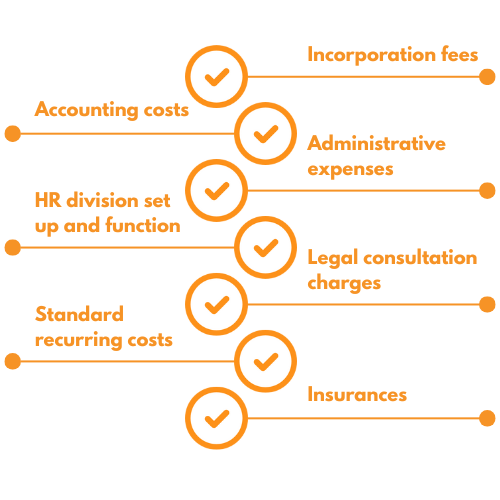
All these expenses and paperwork will easily pile up. If you fail to follow the appropriate processes, you could cross the territory of non-compliance and receive fines. For businesses new to this landscape, one small mistake can break the bank.
So how can you go from strength to strength and reduce your costs with our service?
 We Protect You from Fines
A key advantage of using our Employer of Record services is our deep understanding of the Dutch legal landscape. As the administrative employer, we are fully up-to-date and compliant with labour law, tax regulations and employee benefits in the Netherlands so that you can focus on your core business.
We manage your payroll the right way, aligning perfectly with the tax rulings in the Netherlands. Additionally, we all the necessary payments promptly, so you never have to worry about the chain of liability.
As a result, you save thousands from having to hire your own internal HR and legal team and can instead pour your time and resources where they’re needed the most.
 We Guarantee Your Compliance
With the Blue Lynx EoR service, we also handle employee contracts from onboarding to offboarding. Our experts ensure that your personnel are hired compliantly and treated fairly in accordance with local statutory requirements.
We also keep your back covered by taking care of HR admin like timekeeping, paid leave and sick leave, mandatory benefits such as vacation money and pension contributions – all done right by the book. This alone can provide you with the assurance that you won’t be penalised for any missteps.
Transparency and adherence to Dutch Labour Law are at the heart of everything we do. We provide clear, detailed employment contracts in English, outlining the terms and conditions of employment.
 We Provide a Structural Advantage
For only €599 per team member every month, you save thousands – not just in capital but in the man-hours needed to sort through your admin, compliance and legalities. Take a look at a detailed breakdown of entity setup costs in the Netherlands versus the EoR model to understand how much you can save up.
As we explained at the beginning, we offer our clients various Employer of Record solutions depending on the level of security, risk and flexibility they desire. Why is this a perk for you?
It gives you more wiggle room in terms of pricing. We will advise you on the best solution based on the amount of risk you are willing to take and what you want to hand over to Blue Lynx, while all options remain in compliance. That way, we stay within legal bounds and give you more affordable options to acquire your much-needed staff.
 You Keep Your Intellectual Property Rights
Any IP created by your team while working for you, at your request, remains yours. In other words, even when you use Blue Lynx EoR as your administrative employer, you contractually retain full ownership of any work product/asset.
This is particularly important for businesses focused on innovation, such as those developing code or design work. We ensure the legal framework regarding your IP ownership between your business and the team members.
Our Contract
Our legal experts have designed the agreement to ensure everyone understands their responsibilities and terms, as well as the related costs, offering clarity and transparency throughout our partnership.
The EoR Project Agreement outlines the specific details of each team member’s engagement with your organisation. It covers essential aspects such as individual roles, agreed costs, contract duration and the conditions for termination.
The document clearly itemises all fees, including the initial service charge, ongoing subscription payments and any additional perks, benefits and services.
Why Choose Blue Lynx?
We are not a week-old recruitment agency. With over 37 years of experience in the Dutch employment market, we have established a solid reputation of trust, reliability and expert knowledge.
Your key benefits:
- Avoid the significant costs of establishing a local Dutch entity
- Delegate all legal and employment liabilities to us
- Maintain your focus on core business objectives
- Enjoy a seamless HR and admin process
- Protect your valuable intellectual property
- Benefit from clear and transparent contracts
- Ensure ongoing compliance with local regulations
- Enjoy a seamless HRM tool for efficient management
Accountability
When you partner with us, we become the legal employer of your workforce in the Netherlands. You maintain full control over your employees’ day-to-day activities while we manage the HR administration and legal aspects of employment.
Scalability
EoR gives you the option to adjust the size of your team, especially if you are in an industry with fluctuating turnover. By using Blue Lynx as the legal employer, you won’t feel hindered by the rigid employment structure in the Netherlands.
Adaptability
You can also tailor EoR to your needs, depending on the work arrangements you want to have with your team members. It doesn’t matter if you are working with staff on-site or remotely – we have plenty of solutions to fit your structure.
Read MoreExecutive Search and Recruitment: 7 Key Differences You Need to Know
The pursuit of top-tier talent is a strategic imperative for organisations that seek sustained growth and success. The global executive search market size was valued at $23.5 billion in 2022 and is projected to reach $32.2 billion by 2027.
Executive search and recruitment, often used interchangeably, are activities that support talent acquisition. Both methods have the purpose to discover exceptional individuals to join the workforce. However, they differ in their scope, approach, and intended outcomes.
This article aims to explain the tailored strategies that organisations take to identify, attract, and secure the right people to fill various roles. Whether it’s visionary leaders through executive search or building the team beneath them with recruitment, we will go over the tools and techniques used for talent acquisition.
Talent acquisition is the process of identifying, attracting, and securing skilled employees to fill vacant positions. It plays a pivotal role in shaping a company’s trajectory. Two terms that often emerge in discussions about talent acquisition are “executive search” and “recruitment.” While these terms are closely related, they represent distinct approaches to sourcing and selecting candidates for various roles within an organisation.
What is Executive Search?
Executive search is a specialised form of talent acquisition that focuses on recruiting candidates for high-level, strategic, and specialised positions. Unlike traditional recruitment, which may target a broader range of positions, executive search is focused on critical roles. Those are but not limited to C-suite executives, senior managers, and other key decision-makers.
Whether it’s technology, healthcare, finance, or any other sector, executive search firms harness their industry knowledge to ensure that businesses not only find a leader but a visionary who can lead the company through the fast-changing business landscape.
The placement process of top executive search firms involves an in-depth exploration of both the active and passive candidate pool. This aims to identify senior executive professionals who have the specific skill sets, expertise, and cultural alignment necessary for success in leadership roles.
Did you know that the average time to fill an executive-level position is 120 days?
What is Recruitment?
The recruitment process, on the other hand, involves a broader spectrum of talent acquisition. Recruitment strategies include the identification and selection of candidates for a variety of positions within an organisation. This may range from entry-level to mid-level roles. Recruitment efforts typically focus on active job seekers who engage with job postings on top recruiting platforms and advertisements. The recruitment funnel involves various stages such as candidate sourcing, screening, interviewing, and onboarding.
Did you know that the average time to fill in a position in 2022 was 42 days?
4 Key Differences Between Executive Search and Recruitment
To understand whether executive search is the same as recruitment, we will explore each approach’s methods, goals, and outcomes. This way we can see what is the difference between a recruiter and an executive recruiter.
Target Roles and Positions
- Recruitment primarily targets mid-level and entry-level positions, catering to a wider talent pool
- Executive search is exclusively designed for senior leadership roles, demanding a specialised skill set and industry expertise
Talent Sourcing Strategy and Approach
- Recruitment focuses on attracting active job seekers. It can be done through job postings, online platforms, and networking events
- Executive search takes a proactive stance. This involves identifying both active and passive candidates through intensive research, market mapping, and discreet outreach
Engagement and Relationship Building
- Relationship building in recruitment often follows a transactional model. The ultimate goal is to efficiently fill roles from a larger candidate pool
- Executive search relies strongly on establishing a personalised relationship with potential candidates. That way recruiters can consider the potential long-term organisational fit.
Complexity and Expertise
- Recruitment requires a general understanding of job roles and industry dynamics
- Successful executive search consultants need deep industry knowledge, a keen eye for leadership potential, and the ability to assess cultural alignment. These are the essential skills to make a recruiter good at executive search.
What is the executive search process?
The executive search recruitment process starts with a careful consideration of the organisations’ mission, vision and values. It is a meticulous approach to senior management search.
This involves the following steps:
- Initial Consultation and Job Specification
The executive search firm collaborates closely with the client organization to define the role’s requirements, responsibilities, and desired attributes.
2. Market Research and Candidate Identification
In-depth market research is conducted to identify potential candidates, both within the client’s industry and beyond. This includes analyzing competitors, identifying rising stars, and assessing passive candidates who may not be actively seeking new opportunities.
3. Discreet Outreach and Evaluation
Once potential candidates are identified, discreet outreach is initiated. Candidates are approached with confidentiality, and their interest in the role is gauged. Rigorous evaluation methods, including interviews, assessments, and reference checks, are employed to assess their suitability.
4. Client Presentation and Decision Making
A shortlist of qualified candidates is presented to the client organization. The executive search firm provides detailed assessments and insights to assist the client in making an informed decision.
5. Negotiation and Onboarding
Upon candidate selection, the executive search firm supports negotiations, ensuring a mutually beneficial agreement. Subsequently, the onboarding process begins to facilitate a seamless transition into the new role.
What is the basic role of a recruiter?
The basic role of a recruiter is to find and attract talent for open positions. They review resumes and focus on the skills required to create a good match between candidates and potential employers.
The process of recruiting involves:
- Job Posting and Advertisement
Recruitment firms advertise job openings through multiple channels, such as job boards, company websites, social media, and professional networks.
- Candidate Sourcing and Screening
When recruitment agencies receive the applications, they screen the candidates based on qualifications, experience, and potential cultural fit. The aim is to create a pool of candidates to progress to the interview stage.
- Interviewing and Assessment
Candidates undergo interviews and assessments to evaluate their suitability for the role. The recruitment team aims to assess their skills, competencies, and cultural alignment.
- Selection and Offer
Following a thorough assessment, the recruitment team selects the most suitable candidate and extends a job offer.
- Onboarding and Integration
The chosen candidate is welcomed into the organisation through an onboarding process, ensuring a smooth transition and integration into the team.
4 Key Benefits of Using an Executive Search Firm
Finding the right candidate to match your business’s strategic goals and cultural values is a major challenge. Fortunately, businesses don’t have to go through the hassle of handling executive search recruitment on their own.
Executive search firms not only help conduct a proactive and targeted search for candidates but will ensure that your business makes the most of high-calibre Candidates. Executive search firms identify top-tier candidates even if they’re not open to work and assess their specialised skills and leadership potential.
Business Intelligence Tools & Techniques are fundamental to effective business strategies. Their purpose is to extract meaningful insights that fuel the progress of organisations. Executive search specialists turn complex analyses into actionable recommendations to drive the business forward.
The top priority of executive search recruiters is finding candidates who have not only the required skills but also align seamlessly with the organisation’s culture and goals. Executive headhunters understand that a strong cultural fit adds value to team dynamics, boosts morale, and ensures a smoother integration of new leaders.
Comprehensive assessments, in-depth interviews, and a keen understanding of the company’s values are integral parts of the executive recruitment process. The result? A smooth collaborative environment where not only leaders thrive, but they make sure their team demonstrates exceptional performance as well.
The executive search process often involves highly sensitive transitions. Whether it’s filling a top-tier leadership role or navigating strategic shifts within the organisation.
Conversely, only 35% of organisations have a formalised succession planning process for critical roles. Executive search consultants can also effortlessly navigate succession planning, ensuring the organisation’s resilience. This seamless transition is achieved through identifying and nurturing leadership potential beyond technical skills. Customised development strategies, along with unbiased assessment processes, ensure fair and objective evaluations.
Hiring a professional executive search agency for succession planning will ensure the safeguarding of proprietary information through discreet interactions during the recruitment journey. Confidentiality secures the trust of candidates, safeguards business strategies, and ensures the integrity of the selection process.
3 Reasons Why You Should Outsource Your Recruitment
- Larger Talent Pool
One of recruitment’s most powerful tools is the large talent pool. Casting a wide net, recruitment ensures that organisations have access to a multitude of candidates. This expansive reach increases the likelihood of discovering the right people with a range of skills and experiences in a shorter period.
- Efficiency
Efficiency is another hallmark of the recruitment process. Its streamlined approach involves the stages of candidate sourcing, screening, and selection. By swiftly identifying and engaging with candidates, organisations can expedite the recruitment timeline, ensuring that they fill positions promptly and seamlessly.
- Cost-effectiveness
For non-technical roles, recruitment presents a budget-friendly solution. The ability to swiftly identify qualified candidates and progress through the selection process results in lower costs. This makes recruitment an attractive option for organisations that seek to efficiently and economically address their talent needs, while still delivering impactful hires that contribute to the company’s success.
Is executive search the same as recruitment
Ultimately there is no one-size-fits-all solution for the decision of whether to use executive search or recruitment. Still, here are some key points to keep in mind:
- The level of the role: Executive search is typically used for senior management C-level roles, such as CEO, CFO, and CMO. These roles are critical to the success of the organisation and require a high level of expertise and experience of the executive search recruiter. Recruitment is typically used for mid-level and entry-level roles.
- The industry: Some industries, such as technology and finance, are more competitive than others. In these industries, executive search may be necessary to find the best candidates.
- The budget: Executive search can be more expensive than recruitment.
- The timeline: Executive search can take longer than recruitment. Organisations need to decide how quickly they need to fill the role.
- Confidentiality: Some organisations need to keep the search confidential. Executive search firms can help to protect confidentiality.
To Sum It Up
Executive search and recruitment are both important aspects of talent acquisition. However, they differ in their scope, approach, and intended outcomes. Executive search is a more specialised form of talent acquisition that focuses on recruiting candidates for high-level, strategic, and specialised positions. Recruitment, on the other hand, is a broader approach that covers a wider range of positions.
When choosing between executive search and recruitment, it is important to consider the specific needs and goals of the organisation. If the organisation is looking to fill a critical role that requires a high level of expertise and experience, then executive search may be the best option. On the other hand, if the organisation is looking to fill a more general role, then recruitment may be a more cost-effective option.
Ultimately, working with a recruitment agency that does, both tailors talent acquisition strategies specifically for each business, securing the best-suited candidates that will long-term success.
Read MoreRecruitment Scams: 6 Ways to Spot a Phishing Attack and Protect Yourself

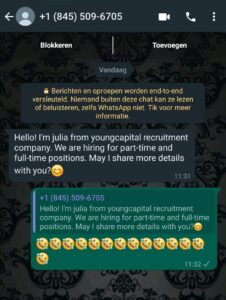
Recruitment scams have become increasingly prevalent lately, targeting various talent acquisition agencies in the Netherlands, Blue Lynx included. Scammers have been exploiting various online platforms to deceive unsuspecting job seekers.
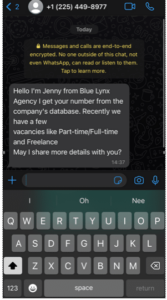
Recent incidents of phishing attacks and scammers approaching potential candidates through channels like WhatsApp, Instagram, LinkedIn, and other media have raised concerns about the safety and security of job hunting.
Please note that Blue Lynx is not associated with these whatsoever. We take this matter very seriously and want to ensure the safety and security of our community.
What is more, Blue Lynx would NEVER ask for any personal details, especially bank information, nor do we offer employment without following strict protocols such as thorough screenings, interviews, and employment contracts.
If you encounter any suspicious activity claiming to be associated with Blue Lynx, we strongly urge you to reach out to us directly.
People must be aware of the warning signs and take necessary precautions to safeguard themselves from falling victim to such fraudulent activities. This article aims to provide you with essential insights on how to identify recruitment scams and protect yourself against fraudulent activities.
Here are 6 tips to spot phishing
Be Vigilant and Trust Your Instincts
The first step in protecting yourself from recruitment scams is to stay vigilant. Pay attention to any suspicious messages or offers that seem too good to be true. Trust your instincts and exercise caution when engaging with unknown recruiters or organisations. Scammers often use persuasive language and promises of high salaries or quick employment to lure their victims.
Research the Company and the Recruiter
Before proceeding with any job opportunity, conduct thorough research on the company and the recruiter who contacted you. Verify their legitimacy by checking their website, reading reviews, and cross-referencing their contact information. Legitimate companies will have a professional online presence and genuine contact details.
Look Out for Red Flags
Recruitment scams often exhibit several red flags that can help you identify potential fraud.
Here are some common warning signs to watch out for:
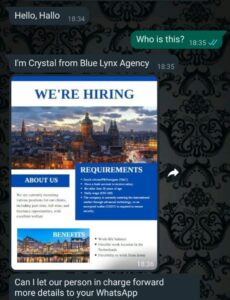
- Unsolicited Contact
Beware of unsolicited messages or emails from recruiters you haven’t interacted with before.
- Poor Grammar and Spelling
Scammers often display poor language skills and grammar mistakes in their communication.
- Request for Personal Information
Legitimate recruitment agencies never ask for personal details, especially sensitive information like bank account details, social security numbers, or copies of passports during the initial stages of contact.
- Immediate Job Offers
Genuine job opportunities involve a thorough screening process, interviews, and formal employment contracts. Be cautious if you receive an employment offer without undergoing such processes.
- Upfront Payments
Avoid recruiters who demand upfront payments for things like processing fees, background checks, or training materials. Legitimate employers cover these costs themselves.
Verify Job Postings and Use Trusted Platforms
When browsing job listings online, be cautious of fake job postings. Verify the legitimacy of the job posting by checking official company websites or using trusted job search platforms that have measures in place to prevent fraudulent listings.
Maintain Privacy and Control
Protect your personal information by being selective about the details you share online. Avoid sharing sensitive information publicly on social media platforms or with unknown recruiters. Be cautious while providing your contact information and ensure it’s shared only with trustworthy entities.
Stay Informed and Report Scams
Keep yourself updated about common scamming techniques and tactics employed by fraudsters. Regularly check official websites or government agencies that provide information on reported scams. If you encounter a recruitment scam, associated with the recruitment agencies – contact them directly through their official channels to verify the authenticity of the offer. Alternatively, report it to the relevant authorities, such as local law enforcement or anti-fraud organisations.
To sum it up
In a digital landscape where scammers continually adapt their tactics, job seekers must remain vigilant and informed about recruitment scams. By being cautious, conducting thorough research, and paying attention to red flags, you can protect yourself from falling victim to fraudulent activities.
Remember that legitimate recruitment agencies never ask for personal details upfront or offer immediate employment without following established procedures, proper screenings and formalities. Stay safe, stay informed, and keep your job search secure.
Read MoreLeadership in Action: Empowering LGBTQ+ Colleagues through Allyship

In today’s diverse workplaces, leaders have a crucial role to play in creating a safe and supportive environment for their employees, including members of the LGBTQ+ community.
Did you know that Iran, Northern Nigeria, Saudi Arabia, Somalia and Yemen retain the death penalty for LGBTQ+ people? Furthermore, it still remains a “legal possibility” in Afghanistan, Brunei, Mauritania, Pakistan, Qatar and UAE.
In a study by the American Foundation for Suicide Prevention, members of the LGBTQ+ community were found to be more than twice as likely to attempt suicide compared to heterosexual people. The reasons span from family rejection, bullying and victimisation, discrimination, and lack of legal protection among others.
What is more, LGBTQ+ youth are particularly vulnerable to suicide. The Trevor Project’s National Survey on LGBTQ+ Youth Mental Health reported that LGBTQ+ youth contemplate suicide at almost five times the rate of heterosexual youth.
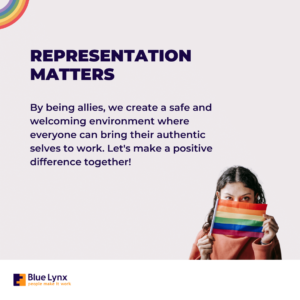
Being an ally goes beyond a mere label; it requires an ongoing commitment to actively denounce discrimination, embrace education, challenge biases, incorporate diversity metrics, and foster a culture of openness and inclusion. In this article, we will explore how leaders can empower their LGBTQ+ colleagues through allyship, and we will suggest actionable strategies that businesses can adopt.
Understanding Allyship as an Ongoing Process
Being an ally is not a one-time declaration; it is an ongoing journey of actively standing against discrimination and violence. True leadership means operating in solidarity with marginalised groups, including the LGBTQ+ community.
Shocking statistics reveal that 46% of LGBTQ+ workers remain closeted at work and 53% report hearing jokes about gay or lesbian people behind their backs. By openly denouncing such behaviours and creating safe spaces for all, leaders can promote inclusivity and support their LGBTQ+ colleagues.
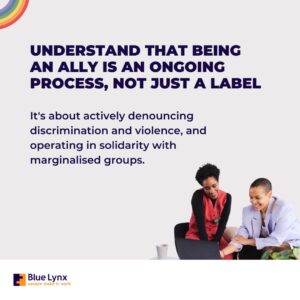
Helping organisations understand that allyship is an ongoing process is crucial for creating lasting change and fostering an inclusive culture.
Here are some strategies to facilitate this understanding:
- Training and Workshops
Conduct training sessions and workshops that focus on allyship and its continuous nature. Educate employees and leaders about the importance of ongoing commitment, learning, and growth as allies. Provide real-life examples and case studies to illustrate how allyship evolves over time.
- Continuous Education Programs
Establish programs that promote continuous education on diversity, inclusion, and allyship. Offer resources such as articles, videos, webinars, and book clubs that employees can access regularly. Encourage people to stay informed about LGBTQ+ issues, terminology, and evolving best practices.
- Peer-to-Peer Learning
Encourage employees to share their allyship journeys and experiences through internal communication channels. Provide opportunities for open dialogues, panel discussions, or lunch-and-learn sessions where peers can learn from each other’s perspectives and challenges.
- Supportive Networks
Foster employee resource groups or affinity networks focused on LGBTQ+ inclusion and allyship. These groups can organise events, workshops, and mentoring programs to engage employees and promote ongoing allyship education. Encourage leaders to actively participate and show their support.
- Leadership Modeling
Executives play a crucial role in setting the tone for allyship. Encourage leaders to openly discuss their allyship journeys, challenges, and ongoing growth. When leaders consistently demonstrate their commitment, it sends a powerful message to the entire organisation and encourages others to follow.
- Celebrate Allyship Milestones
Recognise and celebrate employees who exemplify ongoing allyship. Establish recognition programs that highlight individuals’ efforts in supporting LGBTQ+ colleagues and fostering an inclusive environment. Share success stories and best practices to inspire others.
Embracing Education for Empathy and Insight
One of the key aspects of being an effective ally to the LGBTQ+ community is continuously educating oneself to develop empathy and gain insightful perspectives. By actively seeking education, leaders can better understand the challenges faced by LGBTQ+ people and become more effective advocates.
Studies have shown that education about LGBTQ+ issues can significantly impact acceptance levels. The GLSEN National School Climate Survey revealed that schools with comprehensive LGBTQ+ inclusive curricula had lower rates of bullying and higher levels of student well-being and acceptance. Moreover, perspectives through education and media can reduce prejudice and negative attitudes toward the community. This demonstrates the transformative power of education in fostering empathy and understanding.

Developing cultural competence through LGBTQ+ education enables leaders to create a more inclusive work environment. It allows them to navigate diverse identities, understand the unique challenges faced by LGBTQ+ individuals, and implement inclusive policies and practices.
Strategies to Embrace Education:
- Engage with LGBTQ+ Affinity Groups
Organisations often have LGBTQ+ affinity groups or employee resource groups. Leaders can actively participate and engage with these groups to learn about the experiences, needs, and perspectives of LGBTQ+ individuals within their organisation. This direct engagement helps foster empathy and insight.
- Attend LGBTQ+ Community Events
Local LGBTQ+ community events, such as pride parades, panel discussions, and workshops, provide opportunities for leaders to gain firsthand knowledge and connect with the community. These events facilitate meaningful interactions and help broaden perspectives.
- Utilize Available Resources
Numerous educational resources, guides, and toolkits are available to aid allyship. Organisations like the Human Rights Campaign (HRC) and Stonewall offer comprehensive guides for inclusive workplaces. Leaders can utilise these resources to deepen their understanding and promote best practices.
- Training and Workshops
Organise training sessions and workshops specifically focused on LGBTQ+ inclusion and allyship. These sessions can cover topics such as LGBTQ+ terminology, cultural competency, and strategies for creating inclusive environments. Expert facilitators can provide valuable insights and guidance.
- Promote Self-Education
Encourage leaders to take personal responsibility for their education by reading books, articles, and academic research on LGBTQ+ issues. Encourage them to follow LGBTQ+ activists, organisations, and influencers on social media to stay informed about current issues and discussions.
Challenging Unconscious Bias in Hiring
Unconscious biases can inadvertently influence hiring decisions, leading to a lack of diversity and inclusion within organisations. Recognising and challenging these biases is essential for creating equitable opportunities for LGBTQ+ individuals.
Did you know that a study by McKinsey & Company found that companies with diverse leadership teams were more likely to outperform their industry peers in terms of financial performance? Embracing diversity, including LGBTQ+ representation, can bring fresh perspectives, innovative ideas, and improved decision-making to organisations.
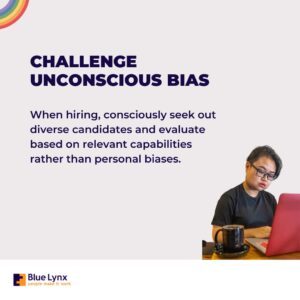
Strategies for Challenging Unconscious Bias:
- Structured Hiring Processes
Implement structured hiring processes that evaluate candidates based on their relevant capabilities and qualifications. Standardise interview questions, scoring systems, and evaluation criteria to reduce the impact of subjective biases.
- Diverse Interview Panels
Include diverse representation on interview panels to ensure multiple perspectives are considered. Having LGBTQ+ people involved in hiring can help counteract biases and foster a more inclusive evaluation.
- Training on Unconscious Bias
Provide training to hiring managers and decision-makers to raise awareness about unconscious biases and their impact on the hiring process. Education and training can help people recognise their biases and develop strategies to mitigate them.
- Diverse Candidate Sourcing
Actively seek out diverse candidates by leveraging a range of recruitment channels, networks, and professional associations that cater to LGBTQ+ professionals. Expanding the candidate pool increases the chances of finding talented LGBTQ+ people who can contribute to the organisation’s success.
- Data-Driven Evaluation
Regularly review and analyse hiring data to identify any potential biases or disparities. Use metrics and data points to track the progress of diversity and inclusion initiatives, ensuring that LGBTQ+ candidates receive fair consideration and representation throughout the hiring process.
Fostering a Culture of Openness and Inclusion
Creating a culture of openness and inclusion is crucial for organisations to support their LGBTQ+ colleagues and cultivate a work environment where everyone can thrive.
According to a study published in the Harvard Business Review, teams that fostered a sense of psychological safety, where individuals feel safe to express themselves without fear of negative consequences, performed better and were more innovative. Creating an inclusive culture of openness contributes to this psychological safety, allowing LGBTQ+ individuals to bring their authentic selves to work.
Evidently, companies with diverse and inclusive cultures were more likely to outperform their peers financially. Inclusive workplaces where LGBTQ+ employees feel valued and supported tend to have higher employee engagement, productivity, and innovation, resulting in improved business outcomes.
What is more, Glassdoor found that 67% of job seekers consider diversity and inclusion an important factor when evaluating potential employers. Fostering a culture of openness and inclusion increases the likelihood of attracting and retaining top LGBTQ+ talent, as individuals seek workplaces where they can feel accepted and valued.
Strategies for Fostering a Culture of Openness and Inclusion:
- Leadership Commitment
Leaders play a crucial role in shaping the culture of an organisation. It is important for leaders to publicly demonstrate their commitment to LGBTQ+ inclusion and allyship. By vocalising their support, leaders set the tone and encourage others to follow suit.
- Clear Policies and Practices
Establish clear policies and practices that promote inclusion, such as non-discrimination policies and guidelines on gender expression and identity. Communicate these policies effectively and ensure they are consistently enforced throughout the organisation.
- Employee Resource Groups (ERGs)
Support and encourage the formation of LGBTQ+ employee resource groups within the organisation. These groups provide a platform for LGBTQ+ employees to connect, share experiences, and advocate for inclusive policies and practices. Leadership involvement in ERGs demonstrates support and fosters a sense of belonging.
- Regular Communication and Training
Engage in ongoing communication about diversity, inclusion, and LGBTQ+ issues. Conduct regular training sessions and workshops to educate employees about LGBTQ+ experiences, terminology, and best practices for creating an inclusive environment. Encourage open dialogue and address any concerns or questions that arise.
- Inclusive Benefits and Policies
Review and update organisational benefits and policies to ensure they are inclusive of LGBTQ+ individuals. This includes offering benefits like insurance coverage for domestic partners, parental leave for adoptions, and supporting gender-affirming procedures. Inclusive policies demonstrate a commitment to supporting the needs of LGBTQ+ employees.
- Celebrate Diversity and Achievements
Recognise and celebrate diversity by highlighting LGBTQ+ events and milestones. Acknowledge the contributions and achievements of LGBTQ+ employees within the organisation. Celebrations and recognition help create a sense of pride and foster inclusivity.

To sum it up
True leadership lies in taking action to empower, support, and provide psychological safety for LGBTQ+ colleagues. It requires an ongoing commitment to denouncing discrimination, embracing education, challenging unconscious bias, incorporating diversity metrics, and fostering a culture of openness and inclusion. By actively exercising allyship, leaders can create a workplace where LGBTQ+ individuals feel supported, valued, and able to bring their whole selves to work. The benefits of such efforts are far-reaching, leading to increased employee engagement, improved business outcomes, and a stronger sense of a supportive community within the organisation. Let us continue to champion LGBTQ+ empowerment and work together to create a more inclusive and equitable future for all.
Read MoreCelebrating Mental Health with European Mental Health Week 2023
To address the growing concerns surrounding mental health, European Mental Health Week (EMHW) has emerged as a significant campaign to raise awareness, educate the public, and promote mental well-being across the continent. This annual event has gained prominence as a platform to challenge the stigma surrounding mental health issues, provide support, and encourage open discussions about mental well-being. This article explores the importance of European Mental Health Week and highlights key statistics that underscore the need for increased attention to the subject.
Understanding the Scope of Mental Health in Europe
Mental health disorders affect millions of people in Europe, regardless of age, gender, or socioeconomic background. It is estimated that nearly one in four individuals will experience a mental health problem at some point in their lives. The prevalence of mental health issues highlights the urgency to address this public health concern and prioritize mental well-being.
Depression
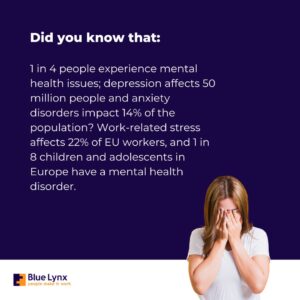
Depression is one of the most common mental health disorders in Europe. According to the World Health Organization (WHO), approximately 50 million people in the European region are affected by depression, making it a leading cause of disability and a major contributor to the overall burden of disease.
Depression is a complex mental health disorder that can have a profound impact on an individual’s daily life. Recognising the symptoms of depression is crucial for early intervention and effective management.
Common symptoms may include persistent feelings of sadness, loss of interest in activities once enjoyed, changes in appetite or weight, fatigue, difficulty concentrating, feelings of worthlessness or guilt, and recurrent thoughts of death or suicide.
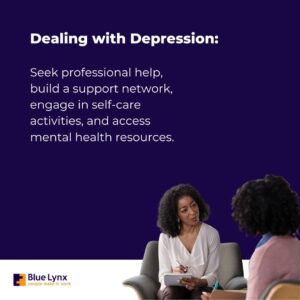
If you or someone you know is experiencing these symptoms, it is essential to seek professional help. Dealing with depression often involves a multifaceted approach. Treatment options may include therapy, medication, lifestyle changes, and support from loved ones. It is crucial to create a support network, engage in self-care activities, maintain a healthy lifestyle with regular exercise and a balanced diet, and prioritise activities that bring joy and fulfilment.
Seeking help from mental health professionals, such as therapists or psychiatrists, can provide invaluable guidance and support throughout the recovery process.
Remember, depression is treatable, and with the right support and resources, you can regain control of your life and find hope and happiness once again.
Anxiety Disorders
Anxiety disorders, including generalised anxiety disorder, panic disorder, and social anxiety disorder, also affect a significant portion of the population. The European Neuropsychopharmacology journal reports that anxiety disorders impact around 14% of the European population.
Anxiety disorders are prevalent mental health conditions characterised by excessive worry, fear, and anxiety that can interfere with daily functioning. Symptoms may include persistent feelings of unease, restlessness, irritability, racing thoughts, difficulty concentrating, muscle tension, sleep disturbances, and panic attacks.
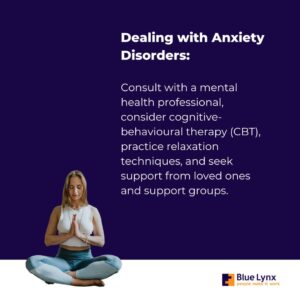
If you or someone you know is experiencing these symptoms, it is important to consult with a mental health professional for an accurate diagnosis and treatment plan. Dealing with anxiety disorders often involves a combination of therapeutic approaches.
Cognitive-behavioural therapy (CBT) can be highly effective in helping identify and challenge negative thought patterns and develop coping strategies. Medication, such as anti-anxiety or antidepressant medications, may also be prescribed in some cases. Additionally, practising relaxation techniques such as deep breathing exercises, mindfulness, regular exercise, and maintaining a balanced lifestyle can contribute to managing anxiety. Seeking support from loved ones or support groups can provide valuable emotional assistance and improve the recovery process. With proper treatment and support, you can learn to manage and alleviate the impact of anxiety disorders, leading to improved overall well-being.
Suicide Rates
Suicide is a tragic outcome of untreated or undiagnosed mental health conditions. In Europe, approximately 140,000 people die by suicide each year. This represents an average of one suicide every four minutes.
Suicide rates are a deeply concerning issue that requires urgent attention, including in the Netherlands. In 2021, the Netherlands recorded a suicide rate of 10.6 per 100,000 people.
Common symptoms may include persistent feelings of hopelessness, withdrawal from social activities, changes in sleep patterns, loss of interest in previously enjoyed activities, expressing thoughts of self-harm or suicide, and giving away belongings.
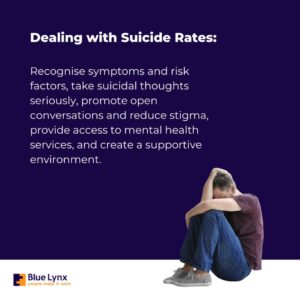
Dealing with suicide prevention requires a comprehensive approach. Encouraging open conversations about mental health, reducing stigma, and providing access to mental health services are vital steps. Creating a supportive environment where people feel comfortable seeking help is crucial.
In cases of immediate risk, contacting emergency services or helplines is essential. Long-term strategies involve promoting mental well-being through education, raising awareness, and investing in mental health resources and services. Together, we can work towards reducing suicide rates by providing empathy, support, and accessible mental health care to those in need.
Work-Related Stress
This is a pervasive issue that can significantly impact mental health. Eurofound estimates that about 22% of workers in the European Union report experiencing stress-related symptoms frequently. This not only affects people’s mental well-being but also leads to decreased productivity and economic costs.
Work-related stress can have detrimental effects on both mental and physical well-being. Recognising the symptoms of work-related stress is essential in addressing the issue effectively. Symptoms may include persistent feelings of exhaustion, irritability, difficulty concentrating, sleep disturbances, physical tension, headaches, and a decline in work performance.
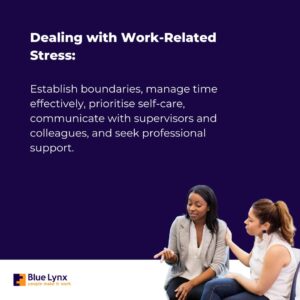
Dealing with work-related stress involves implementing strategies to manage and reduce its impact. Setting clear boundaries between work and personal life, practising time management, and prioritising self-care activities can help create a healthier work-life balance.
Effective communication with supervisors and colleagues about workload and expectations can also help alleviate stress.
Additionally, engaging in relaxation techniques such as deep breathing exercises, meditation, and regular exercise can help reduce stress levels. Seeking support from employee assistance programs, counselling services, or professional therapists can provide guidance and tools to manage work-related stress. Remember, taking proactive steps to address work-related stress is crucial for maintaining well-being and ensuring long-term career satisfaction.
Youth Mental Health
Mental health problems among young people are a pressing concern. According to the Trimbos Institute, one in five young people (aged 13-18) in the Netherlands struggles with mental health problems. This highlights the need for early intervention, support, and accessible mental health services for young people.
Youth-related stress is a growing concern in today’s fast-paced and competitive world. Adolescents and young adults often face unique challenges that can lead to increased stress levels.
Recognising the symptoms of youth-related stress is vital for early intervention and support. Symptoms may include irritability, mood swings, changes in appetite or sleep patterns, social withdrawal, academic decline, physical symptoms (such as headaches or stomachaches), and increased risk-taking behaviours.
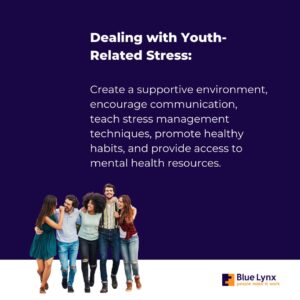
Dealing with youth-related stress involves a multifaceted approach. Encouraging open communication and creating a safe space for young people to express their feelings and concerns is essential. Teaching stress management techniques, such as deep breathing exercises, mindfulness, and time management skills, can empower them to cope with stress effectively. Encouraging healthy lifestyle habits, including regular exercise, balanced nutrition, and sufficient sleep, can also contribute to stress reduction. Additionally, providing access to mental health resources, such as school counsellors or therapists, is crucial for those who may require professional support. By fostering resilience and providing tools to manage stress, we can support the mental well-being of our youth and help them navigate the challenges they face.
The Importance of European Mental Health Week
European Mental Health Week educates the public about mental health issues, challenging the stigma and misconceptions surrounding mental illness. It promotes understanding, empathy, and acceptance, encouraging people to seek help and support.
The campaign calls for policy reforms and increased investment in mental health services, aiming to ensure that mental health is given the priority it deserves in healthcare systems across Europe. By shedding light on the statistics and real-life experiences, European Mental Health Week urges policymakers to take action.
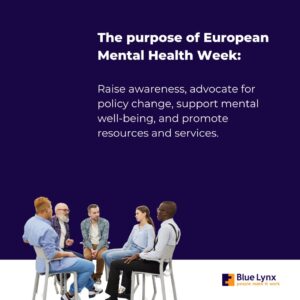
EMHW provides a platform for people to share their stories, struggles, and coping strategies. It facilitates open discussions, promotes self-care, and highlights the importance of seeking professional help when needed. European Mental Health Week also encourages us to look out for each other, fostering a supportive community environment.
Furthermore, the campaign raises awareness of available mental health resources and services, allowing people to access appropriate support systems. It helps bridge the gap between those in need and the assistance they require by providing information about helplines, counselling services, and mental health organisations.
To sum it up
European Mental Health Week serves as a vital initiative to address the pressing mental health challenges faced across Europe. By highlighting important data, promoting awareness, and advocating for change, this campaign plays a pivotal role in shaping a society that prioritises mental well-being. It is only through collective efforts, support, and understanding that we can ensure everyone has access to the mental health care they need and deserve.
Read MoreJob requirements: education or experience?
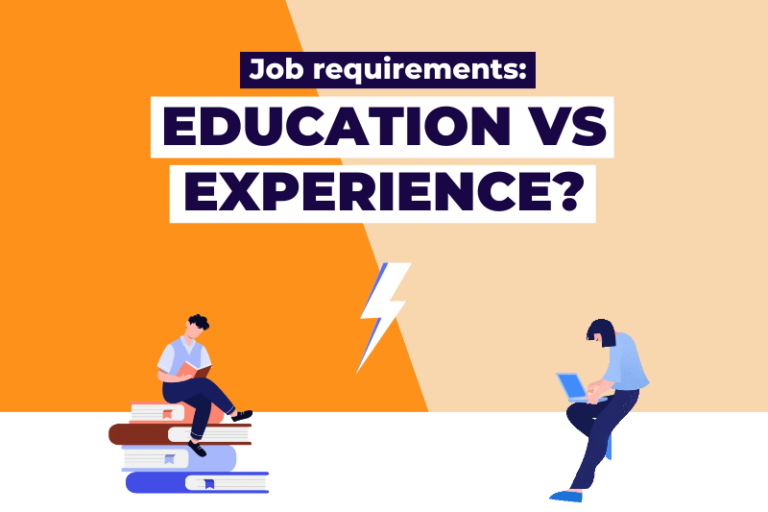
The question of whether education or experience is more important for landing a desired job is a common concern among job seekers.
Possessing a strong educational background can exhibit a deep understanding of a particular field and provide valuable transferable skills.
Meanwhile, practical experience can offer a more nuanced understanding of the challenges and opportunities of a particular profession, in addition to a valuable network of industry contacts.
In the end, the answer depends on the specific position, industry, and employer. Nevertheless, aiming for a balance between education and experience is frequently the key to success in today’s job market.
This article will examine the importance of education and experience and offer job seekers tips on how to navigate this often challenging question.
The value of education
Education is widely regarded as a crucial factor in achieving success in many fields, particularly those that require specialised knowledge and technical skills. This is particularly evident in professions such as law or medicine, where a high level of education is mandatory for obtaining a license to practice. Similarly, careers like engineering or computer science require a thorough understanding of complicated technical concepts that are obtained through years of formal education.
Moreover, education imparts job seekers with transferable skills such as critical thinking, communication, and problem-solving, which can be applied to a wide variety of professions and make a job seeker a more desirable candidate, even if their educational background is not directly relevant to the job position they are seeking.
In the modern labour market, education has been recognised as a critical component of success. Employers are searching for candidates not only with the technical skills required to perform the job, but also with the ability to think critically, communicate effectively, and adjust to new challenges.

Specialised knowledge and technical skills acquisition are the most apparent advantages of education. They make a solid educational background a crucial prerequisite for job seekers who aim to enter fields requiring such expertise.
Apart from providing valuable skills and knowledge, education can also have a considerable impact on earning potential. According to a Bureau of Labor Statistics report, workers with a bachelor’s degree earn an average of $1,493 per week, whereas those with only a high school diploma earn an average of $899 per week. Over a career, this income disparity can add up to hundreds of thousands of dollars.
However, education’s benefits extend beyond higher earnings to include greater job security and stability. In times of economic downturn, highly educated workers are less likely to face job loss than those with only a high school diploma, as they possess specialised skills and knowledge that are highly valued by employers, and are less likely to be replaced by automation or outsourcing.
The value of experience
Although education is crucial, experience can be the key to landing a job, advancing in a career, and achieving long-term success. One of the primary benefits of experience in the labour market is the ability to provide practical skills that can be directly applied to the job. This is especially true in certain fields as employers highly value candidates with experience because they can hit the ground running and need less training and support.
Experience builds industry knowledge
Experience also builds industry knowledge, which is essential for success in many fields. In some cases, industry knowledge can only be gained through practical experience and is a significant asset when competing for jobs or advancing in a career. Someone with experience in marketing, for example, will have a deeper understanding of consumer behaviour and market trends than someone who has only studied marketing in a classroom.
Experience demonstrates initiative and commitment
Employers also view experience as a sign of initiative and commitment, which can be valuable for recent graduates or those transitioning to a new field. It demonstrates that a job seeker has taken the time and effort to gain practical experience in their desired field and is serious about pursuing a career in that field.
Experience provides networking opportunities
Experience also provides networking opportunities. Job seekers can build relationships with colleagues, mentors, and industry leaders while working in a particular industry, which can be valuable when searching for jobs. These connections can provide job leads, references, or other forms of support.
Experience can lead to higher salaries
Finally, experience can lead to higher salaries, as employers value it as evidence that a job seeker can perform the job effectively and efficiently. Experienced candidates may be able to negotiate higher salaries than those with less experience, making it a worthwhile investment for job seekers.
The debate: education vs experience
Whether education or experience holds more value to employers has long been a debated topic, with compelling arguments on either side. Supporters of education believe that it is an essential component of success in numerous fields and gives job seekers a competitive edge.
On the other hand, experience advocates claim that hands-on training is more valuable than theoretical knowledge and that certain job-specific skills cannot be acquired in a classroom.
The reality is likely a balance between the two. Although some employers prioritise education over experience, or vice versa, many seek candidates who have both.
A job seeker with a robust educational foundation and relevant work experience is often the most sought-after candidate. The reason is that they bring both theoretical knowledge and practical skills to the job.
Balancing education and experience
Achieving success as a job seeker often requires striking the right balance between education and experience. This can be especially challenging for those with limited work experience, such as recent graduates, who may struggle to compete with more seasoned candidates. However, there are several strategies that job seekers can employ to increase their chances of success:
Highlight transferable skills
Even if a job seeker’s education doesn’t align perfectly with the job requirements, they can still emphasise their transferable skills, such as critical thinking, problem-solving, communication, and teamwork. This will showcase their ability to excel in a variety of settings.
Emphasise relevant experience
Job seekers should emphasise any experience they have that is relevant to the position they are applying for. This could include internships, volunteer work, or part-time jobs that demonstrate relevant skills or experience.
Leverage industry connections
Networking is an effective way for job seekers to make connections and stand out in industries where relationships are important. Attending industry events, reaching out to alumni and professional associations, and building relationships with people in their desired fields can be very beneficial.
Consider additional education or training
In some cases, job seekers may need to pursue additional education or training to improve their competitiveness in their desired field. While this can be a significant investment, it can pay off in the long run by making them more desirable candidates and increasing their earning potential.
Be open to entry-level positions
For job seekers with limited experience, entry-level positions can be an excellent way to gain practical experience and develop industry-specific skills that will be valuable in future job searches. These positions can serve as a stepping stone to more advanced roles in the future.
To sum it up
The modern labour market values both education and experience, each with its unique benefits. While a university degree imparts role-specific skills and specialised knowledge, work experience provides both transferable and role-specific skills. The significance of education or experience depends on the job and the preferences of the employer. In some instances, transferable skills or extracurricular activities may outweigh specific education or experience requirements.
Education offers job seekers specialised knowledge, transferable skills, and a better earning potential. In contrast, experience provides practical skills, industry-specific knowledge, and networking opportunities. While the debate over which holds more value continues, employers often seek a balance of both. To succeed in the job market, job seekers must strike the right balance between education and experience.
Read More